
Introduction
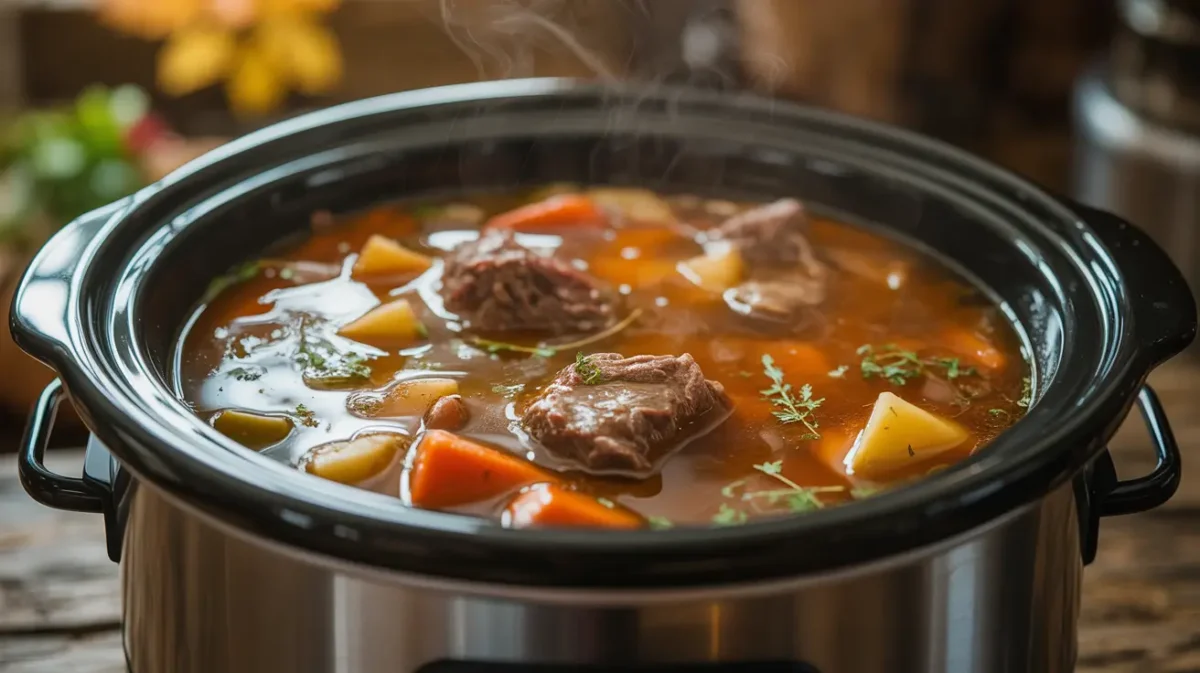
Slow Cooker Soups and Stews are a natural match for fall, delivering warmth, depth, and ease at a time when schedules are full and the weather turns crisp. As days grow shorter and nights cool down, these set-and-forget meals make it possible to bring comforting food to the table without hovering over the stove. Gentle, extended cooking allows autumn ingredients—such as pumpkins, hearty greens, dried beans, root vegetables, and robust cuts of meat—to soften gradually and absorb layered flavors on their own. The result is food that feels nourishing, cozy, and deeply satisfying with very little active effort.
For even more ideas built around the season, take a look at this curated collection of slow cooker autumn recipes: https://www.hightasty.com/slow-cooker-autumn-recipes/.
Up next, you’ll discover why fall is ideal for soups and stews, how these two styles differ in texture and purpose, which ingredients shine in the slow cooker, and the key mistakes to avoid for stress-free, comforting meals all season long.
Slow Cooker Soups & Stews
Equipment
- slow cooker
- cutting board
- chef’s knife
- measuring cups
- ladle
Ingredients
- 2 cups diced carrots and potatoes
- 1 cup cubed butternut squash or pumpkin
- 1 cup chopped onion and celery
- 2 cloves garlic, minced
- 1 cup dried lentils or beans, rinsed
- 4 cups low-sodium broth (vegetable or chicken)
- 1 tsp dried thyme
- 1 tsp dried rosemary
- 1 bay leaf
- 0.5 tsp paprika
- 1 tsp salt (adjust to taste)
- 0.25 tsp black pepper
- 0.5 cup cream or blended beans (add at end)
- 1 tbsp apple cider vinegar or lemon juice (at end)
Instructions
- Add diced carrots, potatoes, squash, onion, and celery to the bottom of the slow cooker.
- Add garlic, rinsed lentils or beans, thyme, rosemary, paprika, salt, pepper, and bay leaf on top of the vegetables.
- Pour in the broth, just enough to cover the ingredients. Do not overfill.
- Cover and cook on low for 6–8 hours or high for 4 hours until vegetables are tender and lentils are cooked.
- Remove bay leaf. Stir in cream or blended beans and vinegar or lemon juice to finish.
- Taste and adjust seasoning. Serve warm with optional garnish like herbs or croutons.
Notes
Nutrition
Why Slow Cooker Soups & Stews Are Ideal for Fall
Cool Autumn Days Call for Warming Meals
As fall settles in, cooler air and earlier sunsets naturally shift cravings toward hot, nourishing food. Slow cooker soups and stews answer that need effortlessly, delivering warmth and comfort in every bowl. They feel especially fitting for the season—cozy, satisfying, and designed to be enjoyed when evenings are longer and temperatures dip.
Low-and-Slow Cooking Deepens Fall Flavors
What truly elevates slow cooker soups and stews during autumn is time. Gentle heat over several hours allows fall staples—such as squash, root vegetables, legumes, and tougher cuts of meat—to transform gradually. Flavors blend seamlessly, subtle sweetness emerges, and ingredients become tender without losing moisture, creating rich, well-rounded dishes with minimal effort.
Budget-Friendly Comfort That Goes Further
Slow cooker soups and stews are also a smart choice for stretching groceries. Economical cuts of meat soften beautifully, while vegetables add volume, nutrition, and heartiness at a low cost. Because these recipes are easy to scale, they’re perfect for larger households or anyone looking to cook once and eat multiple times.
Perfect for Meal Prep and Freezer Storage
Fall schedules can be hectic, and that’s where slow cooker soups and stews truly shine. They hold up exceptionally well when made ahead, portioned, and frozen. Reheating is simple, flavors often improve over time, and having ready-made meals on hand makes busy weeknights far more manageable—without sacrificing comfort or quality.
Soups vs Stews: What’s the Difference?
Understanding the Liquid-to-Ingredient Balance
The main distinction between soups and stews comes down to how much liquid is used. Soups typically contain more broth or stock, allowing ingredients to float freely and creating a lighter, more fluid consistency. Stews, on the other hand, use less liquid, which results in a thicker dish where ingredients are closely packed and coated in sauce.
Texture and Thickness Compared
Texture is another key difference. Soups are usually smooth or brothy, making them easy to sip or spoon, while stews are dense and hearty with noticeable chunks of vegetables and protein. Because stews simmer with less liquid, they often develop a richer mouthfeel that feels more filling, especially during fall.
Choosing Soup or Stew for Fall Meals
In autumn, soups work well when you want something warming but not overly heavy, such as a light lunch or starter. Stews are better suited for dinner, as they provide a complete, satisfying meal in one bowl. Both options deliver comfort, but the choice depends on how filling you want the meal to be.
How Slow Cooking Affects Both Dishes
Slow cooking benefits both soups and stews by allowing flavors to blend gradually. For soups, long cooking enhances the broth and softens vegetables evenly. For stews, low heat breaks down tougher ingredients, thickens the base naturally, and creates deep, layered flavor that’s perfect for fall cooking.
Best Fall Ingredients for Slow Cooker Soups & Stews
Vegetables That Perform Well in Long Cooking
Fall vegetables are ideal for slow cooker soups and stews because they soften gradually while developing natural sweetness and depth. Squash and pumpkin break down into smooth, comforting bases that define many autumn recipes.Sweet potatoes bring natural thickness and a mild sweetness, while carrots, parsnips, and other root vegetables soften gradually and hold their shape without becoming mushy. Onions, leeks, and celery are essential aromatics, slowly releasing savory flavor and forming a strong foundation as they cook over time.
Proteins That Benefit from Slow Heat
Slow cooking is especially effective for proteins that need time to relax and tenderize. Chicken thighs stay juicy and absorb surrounding flavors, making them a reliable choice for fall soups and stews. Beef chuck and traditional stew cuts gradually soften, enriching the broth and creating satisfying, fork-tender texture. Pork shoulder also shines with low, steady heat, developing richness and depth. For plant-based options, beans and lentils hold their shape well while adding protein, heartiness, and balance to vegetable-forward dishes.
Herbs, Spices, and Seasonal Flavor Builders
Autumn flavors come alive with the right seasonings. Herbs like thyme, sage, and rosemary pair naturally with slow cooker soups and stews, while garlic and bay leaves add savory depth. Paprika offers gentle warmth, and small touches of nutmeg or cinnamon can subtly enhance savory recipes when used carefully. Broths, cream, cheese, or even a splash of apple cider help build comforting layers of flavor that feel rich and seasonal.
For a practical example of these ingredients working together, see this slow cooker favorite: https://www.hightasty.com/slow-cooker-butter-chicken/
Cozy Slow Cooker Fall Soups (By Style)
Creamy Slow Cooker Soups
Creamy soups are a fall favorite because they deliver richness and comfort without complicated preparation. Slow cooker soups made with chicken, vegetables, or cheese develop a smooth, full-bodied texture as they cook. Dairy-free versions often rely on blended squash, potatoes, or beans to create creaminess naturally. To keep the texture smooth and prevent separation, cream or cheese should always be added during the final stage of cooking rather than at the beginning.
Hearty Vegetable and Lentil Soups
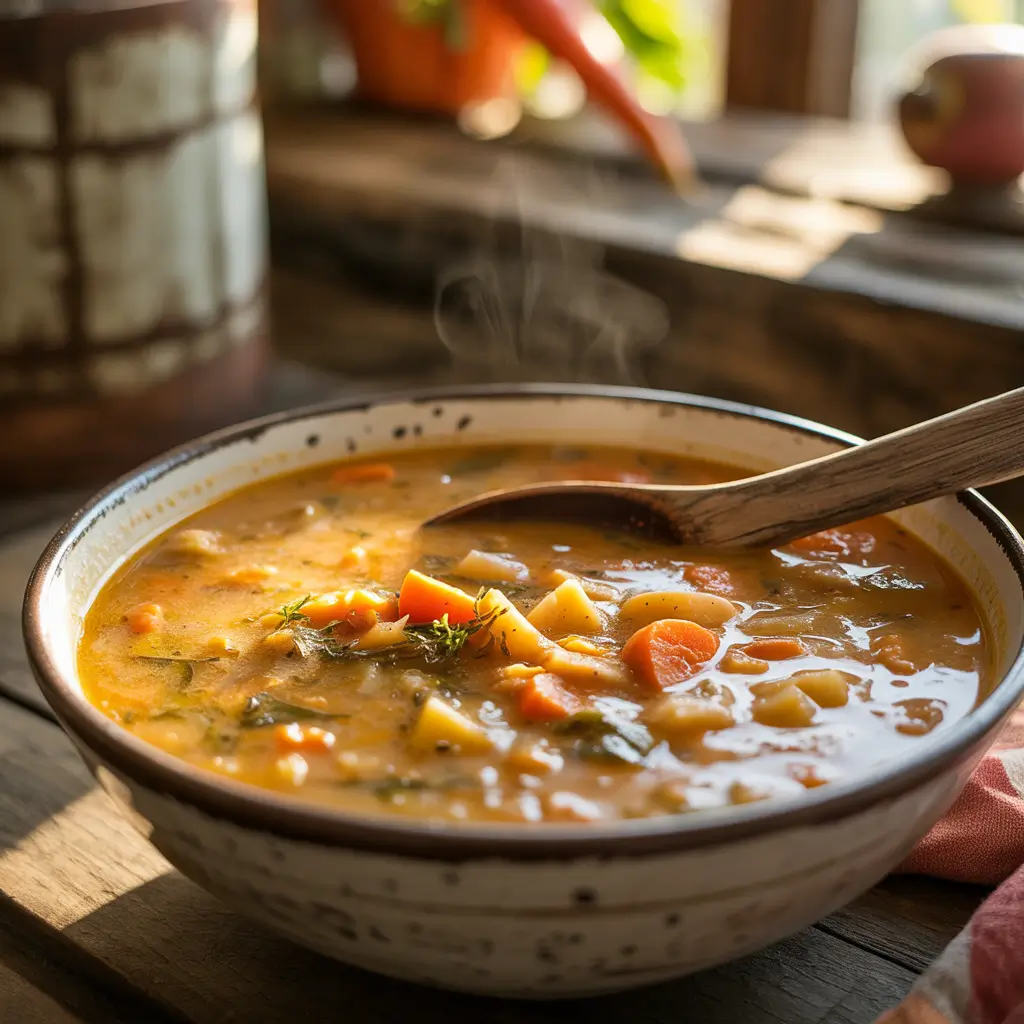
Vegetable and lentil soups are perfect for fall because they feel filling while staying balanced and nourishing. Lentils and beans absorb seasoning well during slow cooking, creating thick, satisfying soups with minimal effort. These recipes work especially well for plant-based meals, offering protein, fiber, and warmth in every bowl.
Pumpkin, Squash, and Autumn-Inspired Soups
Pumpkin and squash soups capture the essence of fall cooking. When cooked slowly, these vegetables become tender and naturally sweet, creating a smooth base for comforting soups. Balancing sweet elements with savory herbs, garlic, and a touch of acidity helps keep flavors rich without becoming overwhelming.
Brothy Comfort Soups for Chilly Evenings
Light, broth-based soups are ideal when you want warmth without heaviness. Chicken-based brothy soups, vegetable broths, and herb-infused recipes provide gentle comfort on cold nights. Ingredients like garlic, onions, and slow-simmered vegetables create soothing bowls that are easy to digest and deeply satisfying.
For a cozy soup idea that blends comfort and creativity, explore this slow cooker favorite at the end of your meal planning: https://www.hightasty.com/slow-cooker-chicken-lasagna-soup/.
Hearty Slow Cooker Stews for Crisp Fall Days
Classic Beef Stews
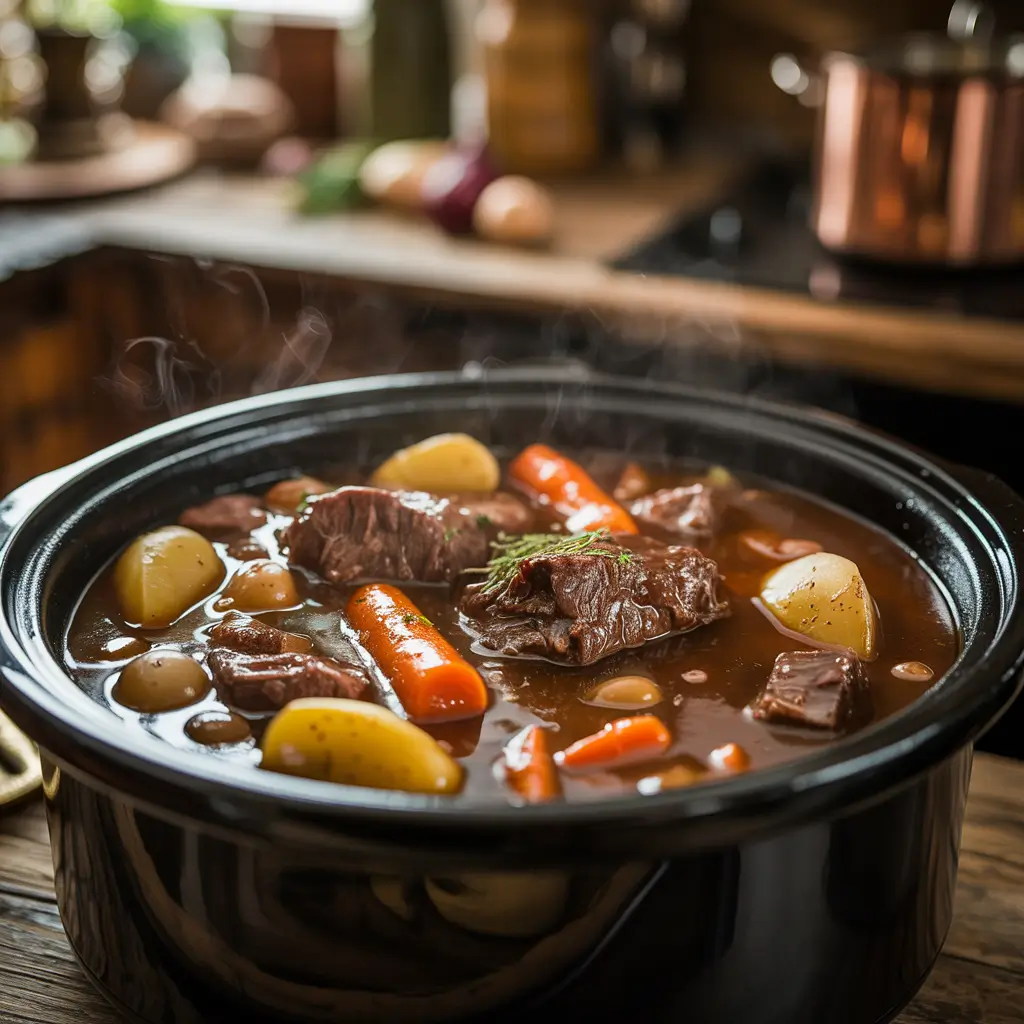
Beef stews are a fall staple because they deliver deep flavor and lasting comfort. Slow cooking allows tougher cuts of beef to soften gradually, creating tender pieces that absorb surrounding seasonings. Root vegetables like carrots and potatoes pair well with rich gravies, while long cooking times help thicken the stew naturally for a satisfying texture.
Chicken and Turkey Stews
Chicken and turkey stews offer a lighter option while still feeling hearty and warming. These stews work well with both creamy and tomato-based sauces, making them versatile for fall menus. Slow cooking keeps poultry moist and flavorful, while vegetables and herbs blend smoothly into the base for family-friendly meals.
Vegetarian and Bean-Based Stews
Vegetarian stews rely on beans, lentils, and vegetables to create filling, protein-rich meals. When cooked slowly, legumes absorb spices and aromatics, resulting in depth of flavor without meat. These stews are ideal for anyone seeking comforting fall meals that are both nourishing and satisfying.
For more inspiration beyond soups and stews, discover comforting oven-baked dishes that pair well with fall menus by exploring this collection: https://www.hightasty.com/comfort-food-casseroles/.
Common Slow Cooker Soup & Stew Mistakes (And How to Fix Them)
Ending Up with Too Much Liquid
A frequent problem with slow cooker soups and stews is ending up with a broth that feels weak or overly thin. Since slow cookers trap steam, liquid doesn’t reduce the way it does on the stovetop, so starting with too much broth can wash out flavor. To avoid this, use a smaller amount of liquid at the beginning and let ingredients release their own moisture as they cook. If the soup or stew still needs body, thicken it toward the end by blending a portion of the vegetables, mashing some of the solids, or adding a simple slurry to bring everything back into balance.
Flat or Bland Flavor
Bland soups and stews often result from seasoning only at the beginning. While salt and spices should be added early, flavors benefit from adjustment toward the end of cooking. Tasting and finishing with fresh herbs, acidity, or additional seasoning helps bring fall soups & stews to life.
Overly Soft or Mushy Vegetables
Vegetables can become too soft if cut too small or cooked too long. To prevent this, larger pieces work best, and delicate vegetables should be added later when possible. Choosing sturdy fall produce also helps maintain texture.
Dry or Overcooked Proteins
Even in a slow cooker, proteins can overcook. Lean meats, in particular, can dry out if cooked too long. Using cuts suited for slow cooking and keeping the heat on low rather than high helps maintain tenderness.
Thickening at the Wrong Time
Thickening too early can lead to uneven texture. Soups and stews should be thickened near the end of cooking using mashed vegetables, blended beans, or a cornstarch mixture for the best results.
How to Layer Ingredients for the Best Results
Start with Vegetables at the Bottom
Layering is important in slow cooker soups and stews because heat comes from the bottom. Dense vegetables like carrots, potatoes, squash, and onions should go in first so they cook evenly and fully soften without staying underdone.
Add Proteins in the Middle
Proteins should sit on top of the vegetables rather than directly at the base. This position allows meat or plant-based proteins to cook gently while absorbing moisture and seasoning from the ingredients below. Proper placement helps prevent drying and encourages tender, well-cooked results.
Finish with Liquids and Seasonings
Broth, stock, and dry seasonings should be added after vegetables and proteins are in place. This allows flavors to distribute evenly as the soup or stew cooks. Avoid overfilling with liquid, as slow cookers retain moisture throughout the cooking process.
Add Dairy and Fresh Herbs at the End
Dairy products and delicate herbs should always be added during the final stage of cooking. Adding them too early can cause curdling or flavor loss. Stirring in cream, cheese, or fresh herbs near the end preserves texture and delivers a fresher, brighter finish.
Make-Ahead & Freezer-Friendly Slow Cooker Soups
Soups and Stews That Freeze Well
Many slow cooker soups & stews are ideal for freezing, especially those made with beans, lentils, vegetables, and broth-based sauces. These recipes hold their texture and flavor after thawing, making them reliable options for future meals. Cream-based soups freeze best when the dairy is stirred in after reheating, not before freezing.
Easy Dump-Bag Prep for Busy Weeks
Dump-bag preparation makes slow cooker cooking even more convenient. By adding raw ingredients to freezer-safe bags ahead of time, you can store complete meals until needed. When ready to cook, simply transfer the contents to the slow cooker, add liquid, and let the meal cook slowly with minimal effort.
Reheating Without Losing Texture
Reheating slow cooker soups & stews should be done gently to maintain quality. Thaw frozen portions overnight in the refrigerator when possible, then warm on low heat. Stirring occasionally helps prevent separation and ensures even temperature throughout.
Smart Portioning for Weekly Planning
Portioning soups and stews before freezing makes weeknight meals faster and easier. Single-serving or family-size portions reduce waste and simplify planning. This approach allows you to enjoy homemade fall meals even on your busiest days.
Healthy Slow Cooker Soups & Stews for Fall
Lightened-Up Comfort Without Sacrificing Flavor
Healthy slow cooker soups & stews can still feel rich and satisfying when prepared thoughtfully. Using lean proteins, plenty of vegetables, and flavorful herbs allows you to reduce excess fat while keeping meals comforting. Slow cooking naturally enhances taste, so heavy ingredients aren’t always necessary.
High-Protein and High-Fiber Options
Adding beans, lentils, and lean meats boosts protein and fiber, helping meals feel filling and balanced. These ingredients help maintain steady energy and make fall soups and stews more filling without extra effort.
Reducing Cream While Keeping Richness
A creamy texture doesn’t have to come from cream. Blending ingredients like squash, potatoes, or beans naturally thickens soups and stews. This method keeps slow cooker meals lighter while still delivering a comforting, rich feel.
Whole-Food–Focused Fall Recipes
Focusing on whole, minimally processed ingredients improves both flavor and nutrition. Fresh vegetables, quality proteins, herbs, and simple seasonings come together in slow cooker meals that feel wholesome and satisfying, making them ideal for everyday fall cooking.
Frequently Asked Questions
What are the best soups to make in a slow cooker?
The best soups for a slow cooker are those with sturdy ingredients like beans, lentils, root vegetables, chicken, or beef, because they benefit from long, gentle cooking. These soups develop deeper flavor and better texture over time.
Source: USDA slow cooking guidelines and recipe standards from food safety experts.
Are slow cooker soups better cooked on low or high?
Slow cooker soups are generally better cooked on low heat because lower temperatures allow flavors to build gradually and prevent proteins and vegetables from overcooking. High heat is best reserved for time-sensitive situations.
Source: University extension cooking recommendations and slow cooker manufacturer guidance.
How do you thicken soup in a slow cooker?
Soup can be thickened by blending part of the soup, adding mashed beans or potatoes, or stirring in a cornstarch slurry during the final 30 minutes. Thickening late prevents texture breakdown.
Source: Culinary Institute of America soup preparation techniques.
Can you overcook soup or stew in a slow cooker?
Yes, soups and stews can be overcooked, especially on high heat or when lean proteins are used. Overcooking may result in mushy vegetables or dry meat, even in a slow cooker.
Source: FDA slow cooker food handling and cooking time recommendations.
What soups taste better the next day?
Soups made with beans, lentils, tomatoes, and hearty vegetables often taste better the next day because flavors continue to blend as the soup rests. Stews and thick soups benefit the most from overnight storage.
Source: Professional culinary storage and reheating guidelines.
Are slow cooker soups and stews healthy?
Slow cooker soups & stews are healthy when made with whole ingredients, lean proteins, vegetables, and moderate sodium. Slow cooking preserves nutrients and reduces the need for added fats.
Source: Harvard School of Public Health nutrition guidance on home cooking.
Conclusion
Slow cooker soups & stews are true fall essentials, offering warmth, comfort, and practical cooking all in one pot. They highlight seasonal ingredients, save time on busy days, and provide meals that can be enjoyed fresh or reheated later. By rotating soups and stews throughout the week, you can enjoy cozy autumn dinners without extra effort. Save this guide and return to it whenever you need inspiration for nourishing, comforting meals during the fall season.
For additional creative food inspiration and modern comfort meal ideas beyond the slow cooker, you can also explore curated culinary content here: https://www.zestolla.com/
3 thoughts on “Slow Cooker Soups and Stews Perfect for Autumn-Warm, Hearty & Comforting Crockpot Recipes for Fall”
Comments are closed.