

introduction
Bariatric gelatin recipe is a simple, light, and easy-to-digest snack that fits well into many post-surgery meal plans. After weight loss surgery, patients often need foods that are gentle on the stomach, low in sugar, and easy to portion. Gelatin meets all of these requirements while also providing a small amount of protein and hydration, making it a practical option during the recovery phases of a bariatric diet.
Because it has a soft texture and very few calories, gelatin is commonly included in the early stages of bariatric nutrition plans when solid foods may still be difficult to tolerate. Many people also enjoy it as a convenient snack that can help manage appetite between meals without adding unnecessary sugars or heavy ingredients. In fact, gelatin is widely used in different diet approaches thanks to its versatility and nutritional profile, and you can learn more about its nutritional advantages in this guide on the benefits of drinking gelatin:
https://www.hightasty.com/benefits-of-drinking-gelatin/
In this article, you’ll discover how to prepare a bariatric gelatin recipe step by step, the best gelatin-to-water ratios for achieving the perfect texture, and several variations—including high-protein gelatin options—that can easily fit into a balanced bariatric meal plan. We’ll also answer common questions about gelatin, including how it works in the body, what ingredients should not be mixed with it, and how it can be incorporated into a healthy diet after surgery.

Bariatric Gelatin Recipe
Equipment
- mixing bowl
- spoon or whisk
- measuring cup
- measuring spoon
- refrigerator
Ingredients
- 1 tbsp plain or sugar-free gelatin
- 1/2 cup hot water
- 1/2 cup cold water
- 1 scoop unflavored protein powder (optional)
- 3–4 drops sugar-free flavoring or lemon juice (optional)
Instructions
- Heat the water until it is hot but not boiling, then pour it into a mixing bowl.
- Add the gelatin powder to the hot water and stir slowly until the gelatin dissolves completely.
- If using protein powder or flavoring, add them now and mix thoroughly to prevent clumps.
- Pour in the cold water and stir again until the mixture is evenly combined.
- Place the mixture in the refrigerator for 10–15 minutes until it forms a soft gelatin texture.
- Serve in small portions of about half a cup as a light bariatric-friendly snack.
Notes
Nutrition
What Is a Bariatric Gelatin Recipe?
Why Gelatin Is Used After Bariatric Surgery
A bariatric gelatin recipe is a simple gelatin-based snack designed for people following a post-surgery diet. Because gelatin has a soft texture and very few calories, it is easy to digest and suitable for the early stages of bariatric recovery. Many patients use sugar-free gelatin to satisfy cravings while keeping portions small and controlled.
For more ideas on using gelatin in structured meal plans, explore these gelatin diet recipes:
https://www.hightasty.com/gelatin-diet-recipes/
How Gelatin Helps With Portion Control
Gelatin absorbs liquid and forms a light gel that can create a mild feeling of fullness. This makes it a practical snack between meals, especially for bariatric patients adjusting to smaller portion sizes. It can also be customized with flavors or protein additions to fit different dietary needs.
In the next section, we’ll look at the simple ingredients needed to make a bariatric gelatin recipe.
Ingredients for a Bariatric Gelatin Recipe

Basic 3-Ingredient Gelatin Recipe
Most bariatric gelatin recipes require only a few simple ingredients that are easy to digest and low in sugar.
Basic ingredients:
- 1 tablespoon plain or sugar-free gelatin
- ½ cup hot water
- ½ cup cold water
These ingredients create a light gelatin texture that fits well into a bariatric meal plan and can be eaten in small portions.
Optional Ingredients to Increase Protein
Some people add extra ingredients to improve flavor or increase protein content.
Optional additions:
- unflavored protein powder
- lemon juice or sugar-free flavor drops
- electrolyte powder for hydration
If you want to experiment with flavored versions, you can also check the ingredients used in the viral pink gelatin trick here:
https://www.hightasty.com/pink-gelatin-trick-ingredients/
Next, we’ll look at how to make bariatric gelatin step-by-step to achieve the perfect texture.
How Do You Make Bariatric Gelatin? (Step-by-Step)
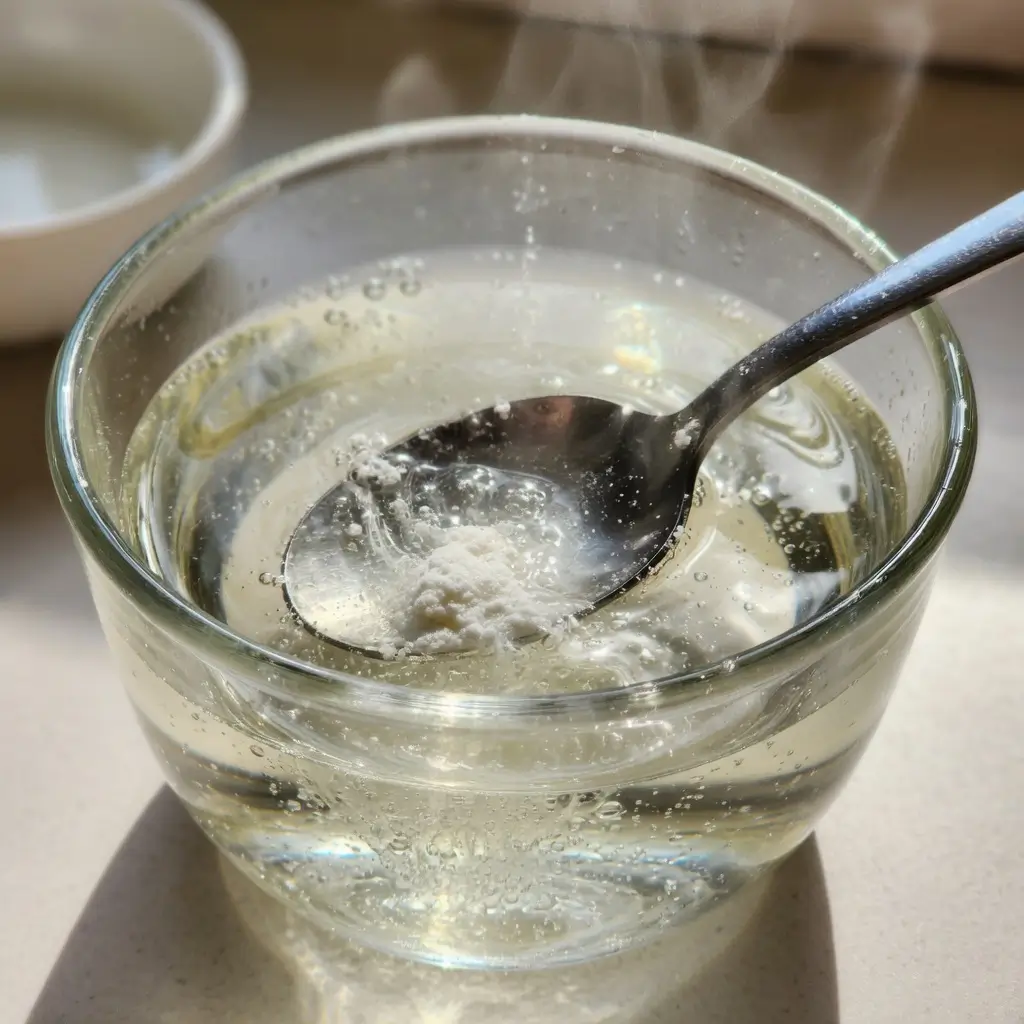
Prepare the Gelatin Properly
Making a bariatric gelatin recipe is simple and takes only a few minutes. The key is dissolving the gelatin correctly so the texture becomes smooth and easy to eat.
Steps:
- Heat the water until it is hot but not boiling.
- Add the gelatin powder to the hot water and stir slowly until it dissolves completely.
- Pour in the cold water and mix again to cool the mixture.
- Refrigerate for 10–15 minutes until the gelatin begins to set.
Tips for the Best Texture
To get a smooth and light gelatin snack:
- stir slowly to avoid clumps
- avoid boiling water (it can damage the gelatin structure)
- adjust water slightly if you want a firmer or softer texture
Some people also prepare similar gelatin drinks for appetite control. You can see another example in this guide to a gelatin trick for weight loss recipe:
https://www.hightasty.com/gelatin-trick-for-weight-loss-recipe/
In the next section, we’ll explore a high-protein bariatric gelatin recipe variation that adds more protein while keeping the texture light and easy to digest.
High-Protein Bariatric Gelatin Recipe
Ingredients
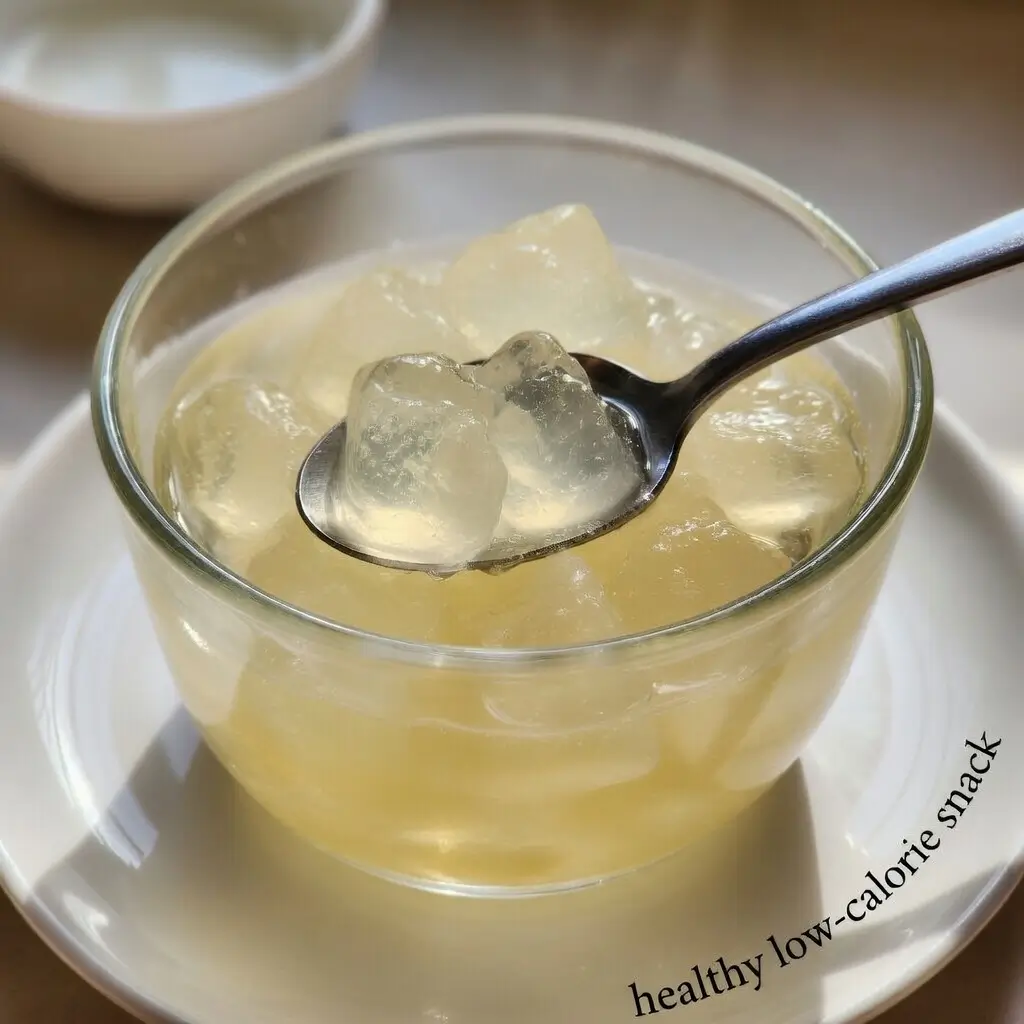
This high-protein bariatric gelatin recipe is a simple variation that adds extra protein while keeping the snack light and easy to digest.
You will need:
- 1 tablespoon plain or sugar-free gelatin
- ½ cup hot water
- ½ cup cold water
- 1 scoop unflavored protein powder (optional)
- a few drops sugar-free flavoring
Instructions
- Dissolve the gelatin powder in the hot water and stir until fully smooth.
- Add the protein powder slowly while mixing to prevent lumps.
- Pour in the cold water and stir again.
- Refrigerate the mixture for about 10–15 minutes until it becomes a soft gel.
Nutrition Example
| Nutrient | Amount |
|---|---|
| Calories | ~40 |
| Protein | 10–15 g |
| Carbohydrates | 0–1 g |
| Sugar | 0 g |
Adding protein powder can help bariatric patients reach their daily protein goals while still enjoying a small dessert-style snack.
If you enjoy experimenting with flavored gelatin drinks, you can also explore this gelatin drink for weight loss guide:
https://www.hightasty.com/gelatin-drink-for-weight-loss/
In the next section, we’ll explore the pink gelatin trick version and how it can be adapted for a bariatric-friendly recipe.
Pink Gelatin Trick Bariatric Version
What Is the Gelatin Weight Loss Trick?
The gelatin weight loss trick is a popular method where people consume a small gelatin drink or snack before meals to help manage appetite. Because gelatin forms a light gel in the stomach, it may create a mild feeling of fullness, which can help reduce overeating. While gelatin does not directly burn fat, it can support portion control when used as part of a balanced diet.
How to Adapt the Pink Gelatin Trick for a Bariatric Diet
For bariatric patients, the pink gelatin version can be modified to remain low in sugar and easy to digest. The key is to use simple ingredients and keep the portion small.
Basic bariatric-friendly pink gelatin version:
- 1 tablespoon plain gelatin
- ½ cup hot water
- ½ cup cold water
- a small amount of sugar-free berry flavor or electrolyte powder
Steps:
- Dissolve the gelatin in hot water.
- Add the cold water and mix well.
- Stir in the sugar-free flavor for a light pink color.
- Refrigerate for about 10–15 minutes before serving.
This variation provides the same soft texture while adding a mild fruity taste. If you want to see the full version of this viral idea, you can explore the pink gelatin trick recipe here:
https://www.hightasty.com/pink-gelatin-trick-recipe/
In the next section, we’ll look at the ideal gelatin-to-water ratios to help you achieve the perfect texture for different types of gelatin snacks.
Gelatin to Water Ratio Guide
What Is the Ratio of Water to Gelatin in Jello?
Getting the correct ratio is important for a bariatric gelatin recipe, because the texture should remain soft and easy to digest. In most recipes, the standard ratio is 1 tablespoon of gelatin for about 1 cup of liquid. This creates a light gelatin texture that is firm enough to hold its shape but still gentle on the stomach.
How Much Gelatin for 100ml of Water?
If you are preparing smaller portions, especially useful for bariatric diets, you can adjust the ratio based on the amount of liquid.
Here is a simple reference table:
| Texture | Gelatin | Water |
|---|---|---|
| Soft gelatin | 1 tsp | 100 ml |
| Standard gelatin | 2 tsp | 200 ml |
| Firm gelatin cubes | 1 tbsp | 200–250 ml |
For bariatric patients, a softer gelatin texture is usually preferred because it is easier to digest and consume in small portions.
If you’re interested in other gelatin-based drink ideas used for appetite control, you can also explore this guide to a gelatin drink for weight loss:
https://www.hightasty.com/gelatin-drink-for-weight-loss/
In the next section, we’ll discuss whether gelatin can help with belly fat and appetite control, a common question many people ask when using gelatin recipes in their diet.
Can Gelatin Help With Belly Fat?
What Does Gelatin Do to Belly Fat?
Many people ask whether gelatin can directly reduce belly fat. The simple answer is that gelatin does not burn fat by itself. However, it may support healthy eating habits that contribute to weight management. Because gelatin contains protein and forms a light gel when mixed with liquid, it can help create a feeling of fullness. This can make it easier to control portion sizes and reduce unnecessary snacking.
For individuals following a bariatric diet, this effect can be especially helpful. Smaller stomach capacity means that feeling satisfied with small portions is important. A small serving of gelatin before or between meals can sometimes help manage appetite while keeping calorie intake low.
How Protein-Rich Foods Support Appetite Control
Gelatin contains amino acids derived from collagen. While it is not a complete protein, it still contributes small amounts of protein that can support satiety. Foods that contain protein generally take longer to digest than simple carbohydrates, which can help reduce hunger signals.
For this reason, many bariatric-friendly snacks combine gelatin with other protein sources such as yogurt or protein powder. This combination can improve the nutritional value while maintaining the soft texture that bariatric patients need.
In the next section, we’ll explore whether gelatin can be turned into a complete protein and how to combine it with other foods for better nutrition.
Can You Make Gelatin a Complete Protein?
Why Gelatin Is Not a Complete Protein
Although gelatin contains protein, it is not considered a complete protein. A complete protein must contain all nine essential amino acids that the body cannot produce on its own. Gelatin lacks some of these amino acids, which means it should not be relied on as the only protein source in a diet.
However, gelatin still provides useful amino acids such as glycine and proline, which are associated with collagen and connective tissue support. Because of this, gelatin can still play a supportive role in a balanced bariatric meal plan when combined with other protein-rich foods.
Foods That Complement Gelatin for Better Nutrition
To make a bariatric gelatin recipe more nutritionally balanced, it can be paired with foods that contain complete proteins. This combination helps provide a broader range of amino acids.
Here are some examples:
| Food | Protein Benefit |
|---|---|
| Greek yogurt | complete protein with probiotics |
| Milk or dairy alternatives | balanced amino acid profile |
| Eggs | high-quality complete protein |
| Protein powder | convenient protein boost |
For many bariatric patients, mixing a small amount of protein powder into gelatin can help increase daily protein intake while keeping the texture soft and easy to eat.
In the next section, we’ll look at ingredients that should not be mixed with gelatin, because some foods can prevent gelatin from setting properly.
What Not to Mix With Gelatin
Ingredients That Prevent Gelatin From Setting
When preparing a bariatric gelatin recipe, it’s important to know that some ingredients can stop gelatin from setting properly. Certain fresh fruits contain natural enzymes that break down the protein structure of gelatin, preventing it from forming a firm texture.
Fruits that can interfere with gelatin include:
- Fresh pineapple
- Papaya
- Kiwi
- Mango
- Fresh figs
These fruits contain enzymes such as bromelain and papain, which break down the collagen-based proteins found in gelatin. If you want to use these fruits, they should be cooked first, since heat destroys the enzymes.
Common Preparation Mistakes
Besides incompatible ingredients, a few preparation mistakes can also affect gelatin texture.
Common mistakes include:
- Using boiling water, which can weaken gelatin structure
- Adding too much liquid, resulting in a watery texture
- Not dissolving gelatin fully, causing clumps
To get the best results, always dissolve the gelatin completely in hot (not boiling) water before adding other ingredients.
In the next section, we’ll explain when bariatric patients can safely eat gelatin, including how it fits into different stages of the post-surgery diet.
When Bariatric Patients Can Eat Gelatin
Post-Surgery Diet Stages
After bariatric surgery, patients usually follow a structured eating plan that gradually reintroduces foods. Because gelatin is soft and easy to digest, it is often allowed during the early stages of recovery.
Typical bariatric diet stages include:
| Stage | Diet Type | Role of Gelatin |
|---|---|---|
| Stage 1 | Clear liquids | small portions of sugar-free gelatin may be allowed |
| Stage 2 | Full liquids | gelatin snacks are commonly included |
| Stage 3 | Soft foods | gelatin can be eaten with other light foods |
| Stage 4 | Regular diet | gelatin becomes an occasional low-calorie snack |
Since every recovery plan is slightly different, patients should always follow the recommendations of their healthcare provider.
Portion Recommendations
Because the stomach capacity is smaller after surgery, portion control is essential. A typical serving of a bariatric gelatin recipe is about ½ cup or less. This amount provides a light snack without causing discomfort.
Gelatin is often used between meals to help control hunger while keeping calorie intake low. Some people also include it as a light dessert after meals.
In the next section, we’ll explore possible side effects of gelatin and how much is safe to consume daily.
When Bariatric Patients Can Eat Gelatin
Post-Surgery Diet Stages
After bariatric surgery, patients usually follow a structured eating plan that gradually reintroduces foods. Because gelatin is soft and easy to digest, it is often allowed during the early stages of recovery.
Typical bariatric diet stages include:
| Stage | Diet Type | Role of Gelatin |
|---|---|---|
| Stage 1 | Clear liquids | small portions of sugar-free gelatin may be allowed |
| Stage 2 | Full liquids | gelatin snacks are commonly included |
| Stage 3 | Soft foods | gelatin can be eaten with other light foods |
| Stage 4 | Regular diet | gelatin becomes an occasional low-calorie snack |
Since every recovery plan is slightly different, patients should always follow the recommendations of their healthcare provider.
Portion Recommendations
Because the stomach capacity is smaller after surgery, portion control is essential. A typical serving of a bariatric gelatin recipe is about ½ cup or less. This amount provides a light snack without causing discomfort.
Gelatin is often used between meals to help control hunger while keeping calorie intake low. Some people also include it as a light dessert after meals.
In the next section, we’ll explore possible side effects of gelatin and how much is safe to consume daily.
Are There Any Side Effects of Gelatin?
What Are the Bad Side Effects of Gelatin?
Gelatin is generally considered safe for most people when consumed in moderate amounts. However, like many foods, it can cause mild side effects if eaten in large quantities or if a person has a sensitivity to it.
Possible side effects may include:
- Digestive discomfort, such as bloating or stomach upset
- Allergic reactions in rare cases
- Unpleasant taste or texture if consumed in large amounts
For bariatric patients, it is especially important to introduce foods slowly and monitor how the body reacts. Starting with small portions of gelatin helps reduce the chance of digestive discomfort.
Safe Daily Amounts
Most bariatric gelatin recipes use about 1 tablespoon of gelatin per serving, which is considered a moderate and safe amount for most individuals. Consuming one small serving per day as a snack or light dessert is typically well tolerated.
As with any dietary change after surgery, it is always best to follow the guidance of a healthcare professional or nutrition specialist.
Final Thoughts
A bariatric gelatin recipe can be a simple and practical addition to a post-surgery meal plan. Its soft texture, low calorie content, and easy preparation make it a convenient snack during the different stages of bariatric recovery. When prepared with sugar-free ingredients and balanced with other protein sources, gelatin can help support portion control while providing a light dessert option.
Although gelatin alone is not a complete protein, it can still play a useful role in a structured diet when combined with nutrient-rich foods. By following the correct gelatin-to-water ratios, avoiding ingredients that interfere with gelatin setting, and keeping portions small, bariatric patients can safely enjoy this versatile snack as part of a balanced eating routine.
For more healthy recipes and nutrition resources, you can also explore this wellness site: https://www.zestolla.com/