
Introduction
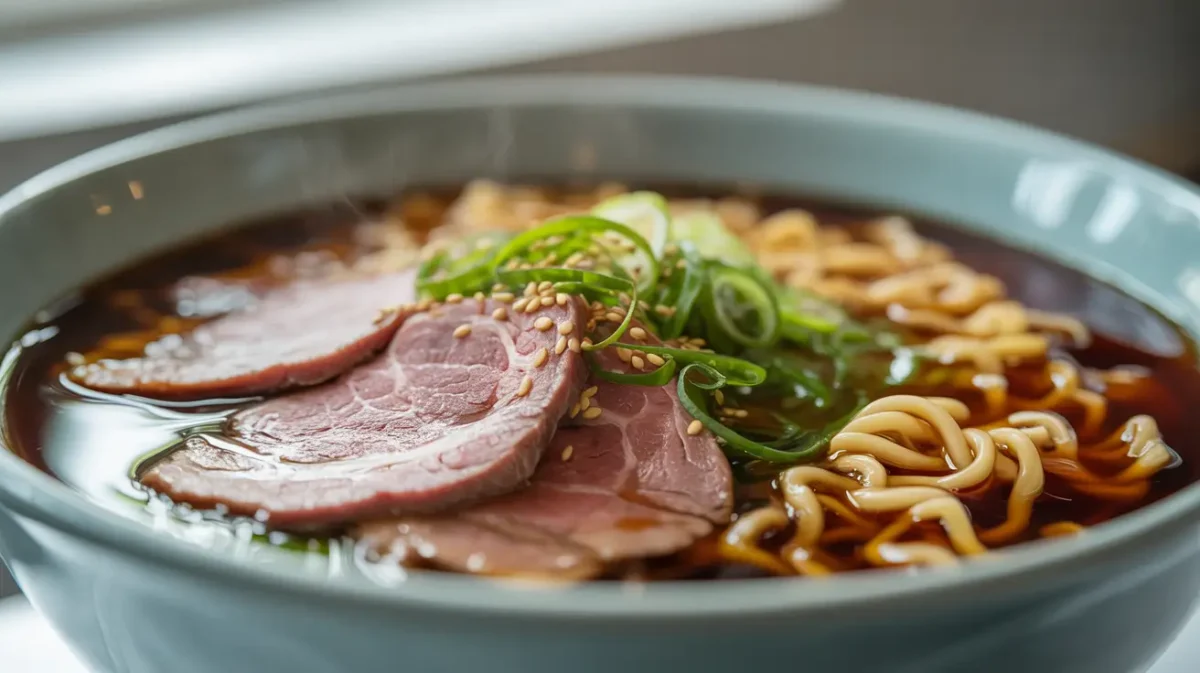
Beef ramen noodle dishes have exploded in popularity because they deliver deep flavor, comfort, and flexibility without requiring complicated cooking skills. Whether you want a quick weeknight dinner or a cozy bowl that tastes like it came from your favorite takeout spot, this guide walks you through everything needed to master beef ramen noodle at home. In fact, many home cooks love recipes that balance speed and flavor, so if you enjoy hearty meals, you can discover great ideas like… https://www.hightasty.com/comfort-food-casseroles/ for more inspiration.
This complete guide covers three versions in one article: a one-pan stir-fry beef ramen noodle, a fast broth-based ramen soup, and a spicy garlic variation inspired by viral trends. Each version stays budget-friendly, kid-friendly, and fully adaptable for halal, gluten-free, or low-sodium lifestyles. You’ll also learn simple cooking science to keep noodles firm, boost umami, and prevent common ramen mistakes. By the end, you’ll be able to create a restaurant-quality bowl with just one pan and ingredients you likely already have.
beef-ramen-noodle
Equipment
- large skillet
- Wooden spoon or spatula
- measuring spoons
- knife and cutting board
Ingredients
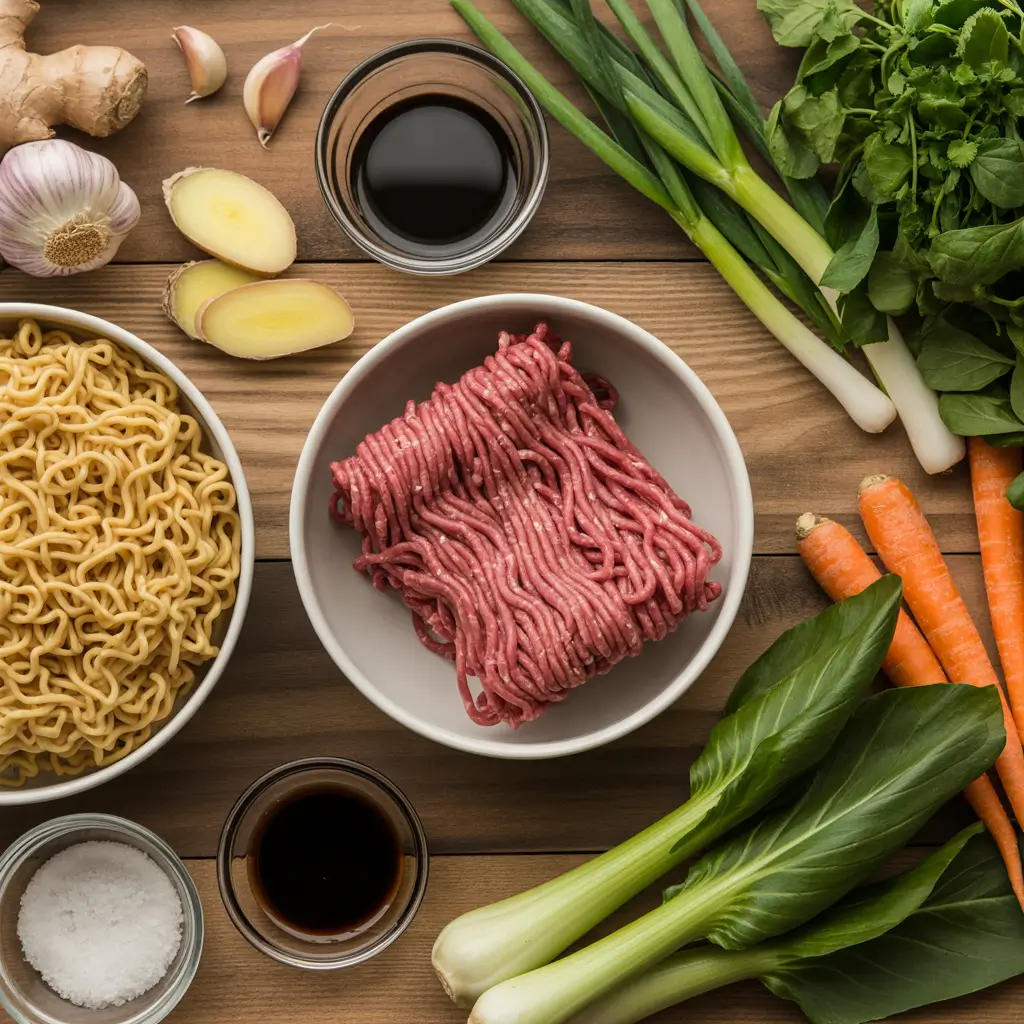
- 1 lb ground beef (85–90% lean)
- 2 packs instant ramen noodles (discard seasoning packets)
- 2 tbsp soy sauce (or reduced-sodium soy sauce)
- 1 tbsp rice vinegar or lemon juice
- 1 tbsp honey or brown sugar
- 1 tsp grated ginger
- 2 cloves garlic, minced
- 1 cup water or beef broth
- 1 cup mixed vegetables (e.g., bell peppers, cabbage, carrots)
- optional: green onions, sesame seeds, chili flakes for garnish
Instructions
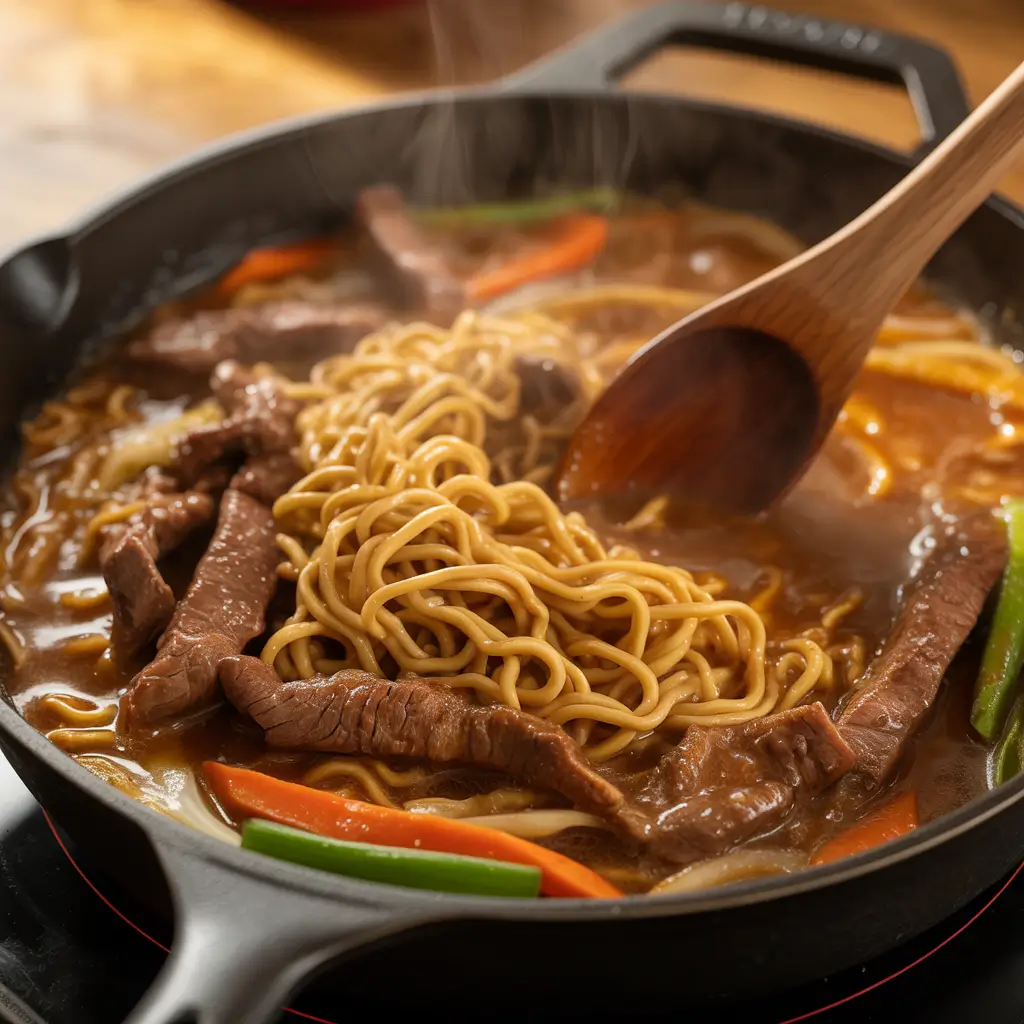
- In a large skillet over medium heat, cook the ground beef until browned and fully cooked, breaking it into crumbles as it cooks.
- Add garlic and ginger to the beef and sauté for 1 minute until fragrant.
- Stir in the soy sauce, vinegar, and honey. Mix to coat the beef evenly.
- Add the vegetables and cook for 2–3 minutes until slightly softened.
- Pour in the water or broth and bring to a simmer. Add the ramen noodles, pressing them gently into the liquid.
- Cover and cook for 3–4 minutes, stirring occasionally, until noodles are cooked and sauce has thickened.
- Remove from heat. Garnish with green onions, sesame seeds, or chili flakes if desired. Serve hot.
Notes
Nutrition
Why This Beef Ramen Noodle Recipe Stands Out
One-Pan, Ready in 20 Minutes, Budget-Friendly
Most beef ramen noodle recipes focus on a single approach, but this guide compresses all the essential techniques into one clear and efficient method. Everything cooks in a single pan, which means minimal cleanup and maximum flavor development. Because the whole dish uses everyday pantry items, it stays affordable, often costing less than ten dollars for four servings. This simplicity makes the recipe ideal for beginners, busy families, students, and anyone craving comfort without spending much time in the kitchen.
Three Recipes in One: Stir-Fry, Soup, and Spicy Versions
Instead of forcing you to pick one style, this article provides three complete variations. The classic one-pan beef ramen noodle stir-fry is perfect when you want something hearty and saucy. The soup version transforms the same ingredients into a warming bowl with broth, miso, or a creamy twist. And for spice lovers, the garlic-chili version brings bold heat inspired by the viral chili crisp and gochujang trend. These options allow you to customize your ramen to your mood, dietary needs, or family preferences.
No Mushy Noodles: Simple Cooking Science Explained
A common issue with beef ramen noodle recipes online is mushy, broken noodles. This happens when noodles absorb too much water or cook too long, especially in one-pan recipes. Here, you’ll follow a structured technique: the noodles simmer directly in the sauce, which thickens naturally as starch releases. By controlling water levels and heat, you prevent over-softening while creating a glossy sauce that clings to the noodles beautifully. This method ensures a perfect bite every time.
Quick At-a-Glance (Time, Tools, Cost)
Time, Skill Level, Servings, and Spice Level
This beef ramen noodle recipe is designed for speed without sacrificing flavor. From start to finish, the entire process takes about 20 minutes, which makes it ideal for busy weeknights. The skill level is beginner-friendly, yet the results feel impressive enough for guests. One batch comfortably serves three to four people, depending on portion size. The spice level is flexible, starting mild by default, while offering easy upgrades for medium or spicy preferences later in the recipe.
Halal-Friendly, Kid-Friendly, and Meal Prep Options
Another reason this beef ramen noodle recipe stands out is how adaptable it is. The base version contains no alcohol, and simple substitutions allow it to stay fully halal-friendly. For kids, the sauce can be kept mild, vegetables can be finely chopped, and heat can be added only to adult portions. In addition, this recipe works well for meal prep when noodles and sauce are stored separately, which helps preserve texture and flavor throughout the week. If you enjoy planning meals ahead, you may also like hearty family-style dishes, so check out… https://www.hightasty.com/potluck-main-dishes/ for more make-ahead inspiration.
Ingredients You Need (Base + Substitutions)
Protein Options: Beef and Alternatives
Ground beef with an 85–90% lean ratio works best because it delivers flavor without excessive grease. However, sliced beef, ground turkey, chicken, or even crumbled tofu can be used if you want a lighter or plant-based option. Since the sauce is bold and savory, it pairs well with many proteins without losing its signature taste.
Ramen Options: Instant, Fresh, or Gluten-Free
You can use instant ramen bricks, fresh ramen noodles, or gluten-free rice ramen in this recipe. Instant ramen cooks the fastest and absorbs sauce efficiently, while fresh ramen provides a chewier bite. Gluten-free rice ramen works well too, although it needs closer attention to prevent overcooking. Choosing the right noodle lets you control texture and dietary needs without changing the cooking method.
Sauce Essentials and Flavor Balance
The sauce starts with soy sauce or reduced-sodium soy sauce, combined with garlic and ginger for aroma. A small amount of sugar or honey balances the salt and enhances caramelization. Chili flakes are optional, allowing you to control heat easily. Together, these ingredients create umami depth without requiring complicated seasonings.
Vegetables, Lazy Options, and Halal Swaps
Bell peppers, carrots, green onions, mushrooms, cabbage, or bok choy all work beautifully. For convenience, a bagged coleslaw mix is a great shortcut that saves time without sacrificing crunch. To keep the recipe halal, mirin can be replaced with honey and rice vinegar, while cooking wine can be swapped for broth with a squeeze of lemon. If you enjoy creamy, comforting flavors built on simple ingredients, learn more about… https://www.hightasty.com/chicken-and-broccoli-fettuccine-alfredo/ for another satisfying dinner idea.
Variation #1 — Fast Beef Ramen Noodle Soup
Turn the Stir-Fry Into a Soup
To transform the one-pan beef ramen noodle into a soup, simply add 2 to 3 cups of hot broth after browning the beef and building the sauce. Bring it to a gentle simmer before adding the noodles. This method keeps the flavor rich while creating a balanced ramen bowl.
Light, Miso, or Creamy Options
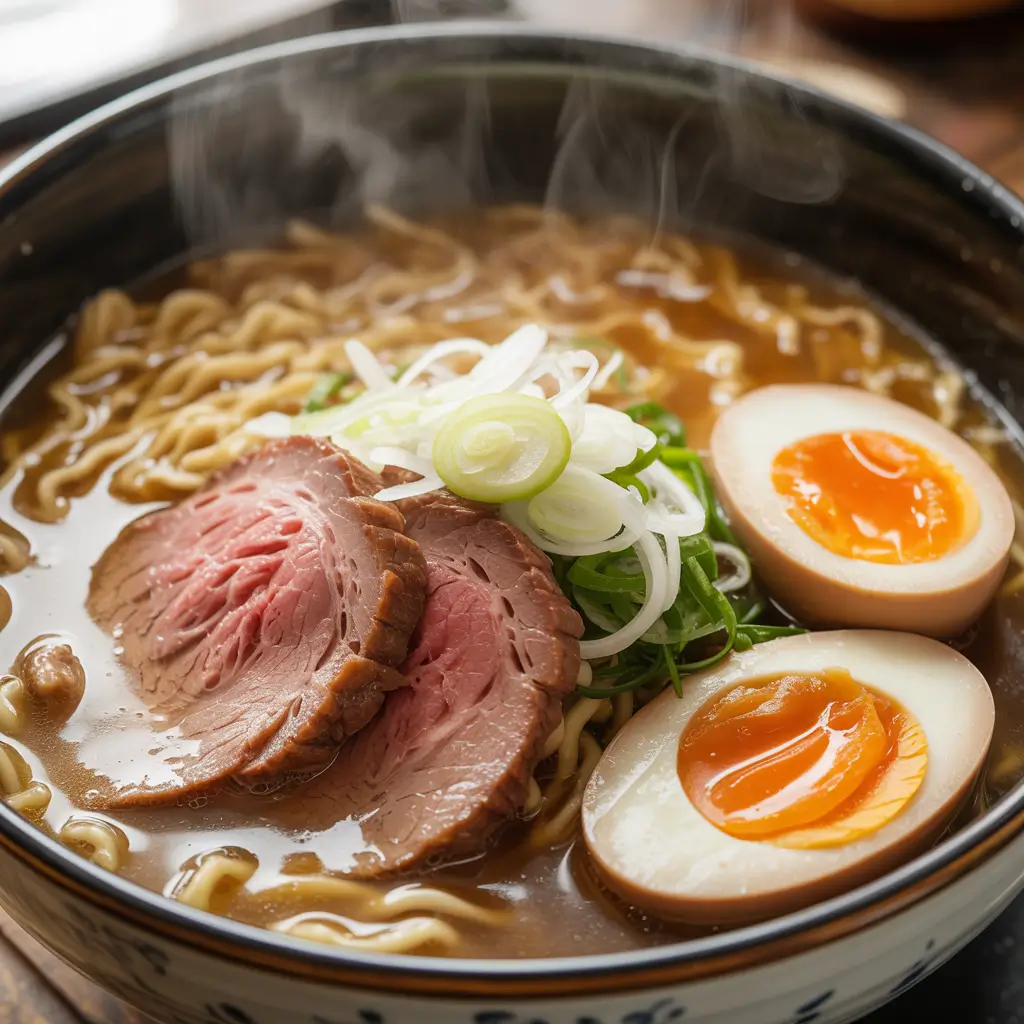
For a light soup, use chicken or beef broth only. For deeper flavor, stir in a spoon of white miso before serving. If you prefer a creamier texture, add a small splash of coconut milk without overpowering the broth. Finish with green onions or a soft-boiled egg.
Best Toppings for Soup-Style Ramen
Soup-style beef ramen noodle pairs best with toppings that add contrast without weighing the broth down. Soft-boiled eggs, corn, sliced scallions, or a drizzle of chili oil work especially well. These toppings enhance texture and flavor while keeping the bowl clean and well-balanced. For more comforting soup ideas, you can learn more about… https://www.hightasty.com/slow-cooker-chicken-lasagna-soup/
PART 6 (H2): Variation #2 — Spicy Garlic Beef Ramen
Building the Spicy Garlic Flavor
Spicy garlic beef ramen noodle is all about layering heat without overwhelming the dish. The base starts with freshly minced garlic added directly to the browned beef, allowing it to release aroma without burning. From there, chili flakes, chili crisp, or sriracha are stirred into the sauce while it simmers. This timing is important because it lets the spice infuse evenly into the beef and noodles instead of sitting on top. The result is a bold yet balanced ramen where heat enhances the savory flavors rather than masking them. Using garlic generously helps round out the spice and adds depth that keeps the dish satisfying.
Choosing the Right Heat Level
This variation is easy to adjust depending on who you are cooking for. For a medium-spicy version, use mild chili flakes or a small amount of chili sauce, then finish with sesame oil to soften the heat. For spice lovers, adding gochujang or chili oil creates a deeper, lingering heat that pairs perfectly with beef. If you want extreme heat, increase chili crisp gradually and taste as you go. This controlled approach prevents the ramen from becoming bitter or overpowering.
Serving Tips for Spicy Ramen
Spicy beef ramen noodle is best served immediately, while the sauce is glossy and the noodles still springy. Cooling toppings like green onions or sesame seeds help balance the heat and add texture. For fans of bold, seasoned dishes with strong character, you can also check out… https://www.hightasty.com/blackened-chicken-alfredo/ for another flavorful dinner option.
Make It Healthier Without Losing Flavor
Lower Sodium the Smart Way
Beef ramen noodle dishes can be high in sodium, but simple adjustments make a big difference. Start by using reduced-sodium soy sauce and unsalted broth. Instead of adding more salt, boost flavor with garlic, ginger, or a small splash of rice vinegar. These ingredients enhance taste without increasing sodium levels.
Boost Protein and Vegetables
To make the dish more filling and balanced, add extra protein like soft-boiled eggs, edamame, or tofu alongside the beef. Increasing vegetables such as cabbage, spinach, or mushrooms adds volume and nutrients without making the ramen heavy. Adding vegetables gradually also prevents excess water from diluting the sauce.
Create a Lighter Ramen Bowl
If you want a lighter beef ramen noodle bowl, reduce the amount of noodles slightly and increase the broth or vegetables. Replace sugar with honey or coconut sugar for a more natural sweetness. With these changes, it’s easy to keep the dish under 450 calories per serving while maintaining a rich, satisfying flavor. For more balanced comfort meals, you can also learn more about… https://www.hightasty.com/mediterranean-diet-anti-inflammatory-recipes/
Customize Your Beef Ramen
For Kids
To make beef ramen noodle kid-friendly, reduce or remove chili entirely and keep flavors mild. Cut vegetables very small or grate them into the sauce so they blend in smoothly. Using softer noodles and a slightly sweeter sauce also helps create a texture and taste that children enjoy without compromising nutrition.
For Meal Prep
For meal prep, always store noodles separately from the sauce and beef. This prevents the noodles from absorbing too much liquid and turning soft. When reheating, combine everything in a pan with a small splash of broth to refresh the texture and flavor. This method keeps the ramen tasting fresh for several days.
For Gluten-Free Diets
If you need a gluten-free option, use rice ramen or other gluten-free noodles and replace soy sauce with tamari or a certified gluten-free alternative. Check broth labels carefully, as some contain hidden wheat-based additives. With these swaps, beef ramen noodle stays flavorful and safe for gluten-sensitive eaters. If you enjoy creamy noodle-based dinners with flexible ingredients, you can also check out… https://www.hightasty.com/oven-ready-lasagna-noodles-guide/
Storage & Reheating
Refrigerator Storage
Beef ramen noodle leftovers store well in the refrigerator for up to three to four days when handled properly. For best results, keep the noodles separate from the sauce and beef. This prevents the noodles from soaking up liquid and losing their texture. Store everything in airtight containers to preserve freshness and flavor.
Freezing Rules
Freezing is only recommended if the noodles are stored separately. Beef and sauce freeze well for up to two months, but cooked noodles tend to become soft and grainy once thawed. If you plan to freeze portions, freeze the protein and sauce together and cook fresh noodles when ready to serve.
Best Reheating Method
To reheat, warm the beef and sauce gently in a skillet or saucepan with a small splash of broth or water. Once hot, add the noodles and toss briefly until just heated through. Avoid microwaving noodles for long periods, as this can make them mushy. If you enjoy hearty dishes that reheat well, you may also discover great ideas like… https://www.hightasty.com/chicken-pot-pie-casserole/
Frequently Asked Questions About Beef Ramen Noodle
What goes in beef ramen?
Beef ramen noodle typically includes beef, ramen noodles, a savory broth or sauce, garlic, ginger, soy sauce, and vegetables like green onions, mushrooms, or cabbage. Toppings such as eggs or sesame seeds are common. This composition aligns with widely accepted ramen structures explained by culinary guides and food education platforms such as https://www.zestolla.com/, which detail balanced flavor building.
What is the pink swirl fish cake in ramen?
The pink swirl is called narutomaki, a type of fish cake traditionally used in Japanese ramen. While it is common in classic ramen bowls, it is optional in beef ramen noodle recipes and often omitted in homemade or halal-friendly versions. This is well documented in Japanese ramen references and culinary encyclopedias.
What are the 4 types of ramen?
The four main ramen styles are shoyu (soy sauce–based), miso, shio (salt-based), and tonkotsu (pork bone broth). Beef ramen noodle usually adapts shoyu or miso styles because they pair best with beef’s rich flavor. This classification is standard across ramen education resources and Japanese cuisine literature.
What makes beef ramen unique?
Beef ramen noodle stands out because of its deeper, more robust umami compared to chicken ramen and its lighter feel compared to pork-based tonkotsu. Beef also pairs well with stronger spices and sauces, making it highly adaptable. This distinction is frequently discussed in modern ramen cooking guides.
What does “umami” mean in ramen?
Umami is the savory taste created by glutamates found in ingredients like soy sauce, meat, and broth. In beef ramen noodle, umami comes primarily from beef, soy sauce, and aromatics. The concept of umami is officially recognized in food science and Japanese culinary theory.
What are the 5 basic elements of ramen?
The five elements are broth, noodles, protein, tare (seasoning base), and toppings. Beef ramen noodle follows the same structure, simply replacing traditional pork or chicken with beef. This framework is widely accepted across ramen-focused culinary sources and cooking schools.
Final Tips for Foolproof Beef Ramen Every Time
Mastering beef ramen noodle at home comes down to a few simple but powerful habits. First, always control liquid levels, since too much water is the main reason noodles turn mushy. Second, build flavor in layers by browning the beef well and adding aromatics before liquids. Third, cook the noodles directly in the sauce whenever possible, as released starch improves texture and helps flavors cling. Fourth, taste and adjust gradually, especially when adding soy sauce or spicy elements. Finally, serve immediately, because ramen is at its best when hot and freshly tossed.
With these rules, you can confidently adapt this beef ramen noodle recipe to your pantry, your family, and your schedule. Whether you prefer it mild, spicy, brothy, or rich, this flexible approach ensures consistent results every time. If you enjoy discovering creative food ideas and sharing recipes visually, you can also explore inspiration on https://fr.pinterest.com/gadeserahmed/, where many cooks showcase modern ramen and comfort-food variations.
3 thoughts on “Best Beef Ramen Noodle Recipe: One-Pan, Soup & Spicy VariationsIntroduction”
Comments are closed.